― Mathematics, physics, geology, and computer science learned in high school will naturally lead to the future of the earth ―
Equations, functions, figures, probabilities, waves, rocks, the history of the Earth, and data. Mathematics, physics, geology, and computer science learned in high school are powerful tools for understanding natural phenomena and the global environment at university.
In the Mathematical Sciences and Global Environmental Studies course, students explore the mechanisms of nature and the global environment while utilizing data science, AI, and computer science based on mathematics, theoretical physics, and earth science.
“What kind of laws are hidden in complex phenomena?”
“How to interpret the past, present, and future of nature and the earth from data?”
The characteristic of this course is to consider these questions through theory, calculations, observations, experiments, and data analysis.

What is the Mathematical Sciences and Global Environmental Studies Course?
This course covers a wide range of the three pillars of the natural sciences: mathematics, theoretical physics and earth science.
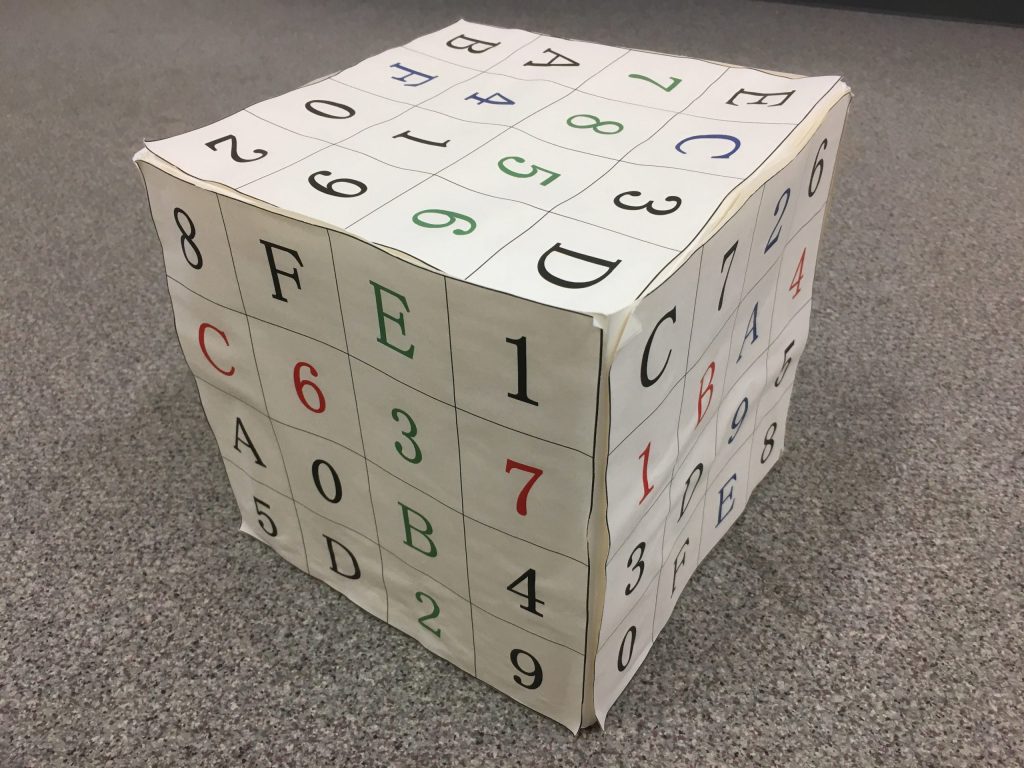
In mathematics, students acquire the ability to represent phenomena as mathematical formulas and structures through algebra, geometry, analysis, discrete mathematics, probability and statistics, graph theory, combinatorial theory, cryptography theory, and algorithms also lead to understanding information security, AI, and networks.
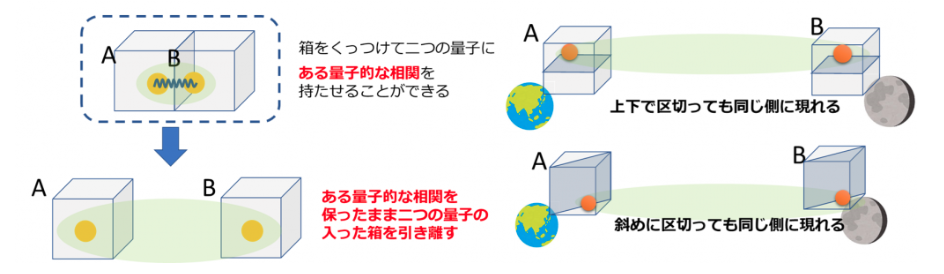
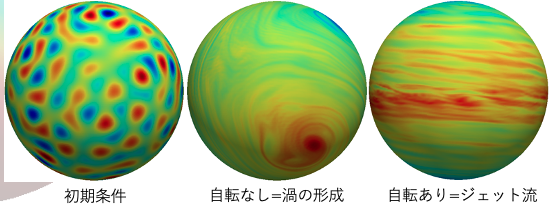
In theoretical physics, students will learn about the laws of the microscopic world, mainly quantum science and quantum information science, as well as quantum computers and quantum cryptography. In addition, students will understand complex natural phenomena such as fluids, plasma, and planetary atmospheres through mathematical models and simulations.
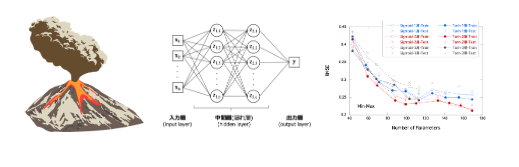
In Earth science, students interpret the past, present, and future of the Earth by combining observational data, chemical analysis, experiments, and mathematical models for rocks, minerals, magma, earthquakes, volcanoes, mantles, and the global environment.
How does it connect with the subjects you learned in high school?
Mathematics & Computer Science
Functions, shapes, vectors, probability and statistics studied in high school are the gateway to mathematical science in college. The ability to represent phenomena in mathematical formulas, find rules in data, and implement them as algorithms is a cornerstone of AI and data science.
Physics
The ideas of mechanics, waves, electromagnetism, and atoms develop into quantum science, quantum information, fluid phenomena, and simulations. Students will understand the invisible microscopic world and the flow of air, water, and plasma using mathematical models.
Earth Science & Chemistry
Rocks, minerals, magma, earthquakes, volcanoes, and the global environment are deeply intertwined not only with observation and analysis, but also with data analysis and machine learning. By deciphering the records of nature, we will think about the history of the earth and environmental issues.
Four research fields
The Mathematical Sciences and Global Environmental Studies course has four distinctive fields of education and research.
- Discrete Mathematics: Algebra, Discrete Mathematics, Computer Science, Cryptography and Information Security
- Continuous System Mathematics: Analysis, Numerical Analysis, Geometry, Mathematical Models of Natural Phenomena
- Theoretical Physics: Quantum Science, Quantum Information Science, Quantum Computers, Quantum Cryptography
- Global Environmental Studies: Geochemistry, Geomaterials Science, Solid State Earth Sciences, Applied Earth Sciences
By studying these fields in conjunction with data science, AI, and programming, you will develop both deep expertise in the natural sciences and the digital technologies required by modern society.

Think with mathematics, decipher with data, and move towards the future of the earth.
Why don’t you turn the mathematics, physics, earth science, and information you have learned up to high school into the ability to think about the future of nature and society?
Mathematical Sciences and Global Environmental Studies Course