

Modern society relies on sophisticated electronic devices that support IoT technologies, new energy systems such as hydrogen, and innovative medical applications. These devices are built upon a wide range of materials like metals, semiconductors, magnetic and dielectric materials, light-emitting elements, and liquid crystals, and they operate according to fundamental physical laws governing electrons and light.
Four Distinct Research Fields
The Functional Device Physics Course encompasses four research fields rooted in the physics of magnetism, electricity, waves (light), and atomic-level phenomena. Our mission is to develop new materials with unprecedented capabilities and to propose novel methods for controlling electrons and light. By integrating materials science and electronics, we aim to create next-generation devices and contribute to a sustainable future.
1. Magnetic Materials and Their Applications
Our research focuses on achieving dramatic performance improvements in magnetic sensors and magnetic recording technologies (hard disk drives), applications of nanomagnetic materials to functional devices, and the study of quasicrystals-materials and combining multiple elements to exhibit diverse properties, differing from both metals and crystals, and lacking translational symmetry.
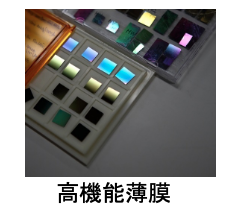
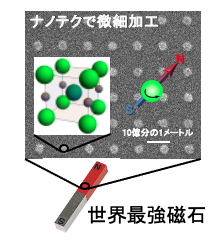
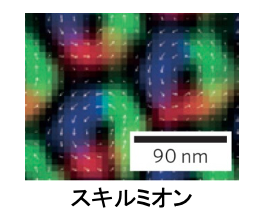
- Fabrication of thin films with novel crystal structures for high-performance magnetic devices
- Development of ferromagnetic and ferroelectric thin films for low-power magnetic memory
- Applications of nanomagnetic materials to functional devices
- Measurement of magnetization dynamics in magnetic materials and their device applications
- Development of force-microscope technologies for nanoscale surface observation
2. Eco-Materials for Environmental and Energy Solutions
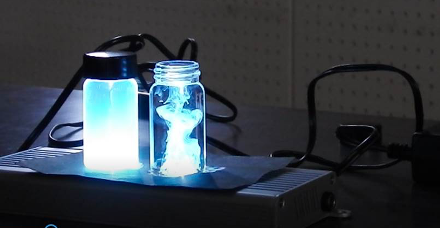
We are researching photovoltaic efficiency enhancement using eco-materials that convert all ultraviolet light into visible light, and we are developing hydrogen leak monitoring systems to realize a hydrogen society.
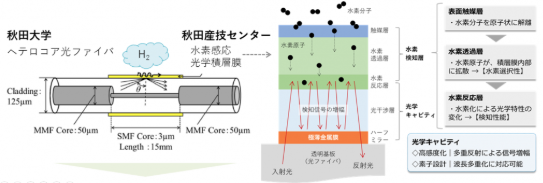
3. Optoelectronics and Luminescent Materials (Scintillators)
Optoelectronics is the field that integrates electronics and optics. We study the integration of optical and electronic devices such as mechanical-free lenses, liquid crystal displays, and optical fiber sensors as well as luminescent materials that absorb radiation and emit fluorescence.
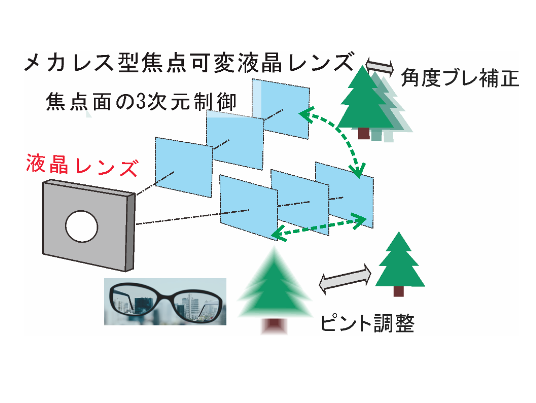
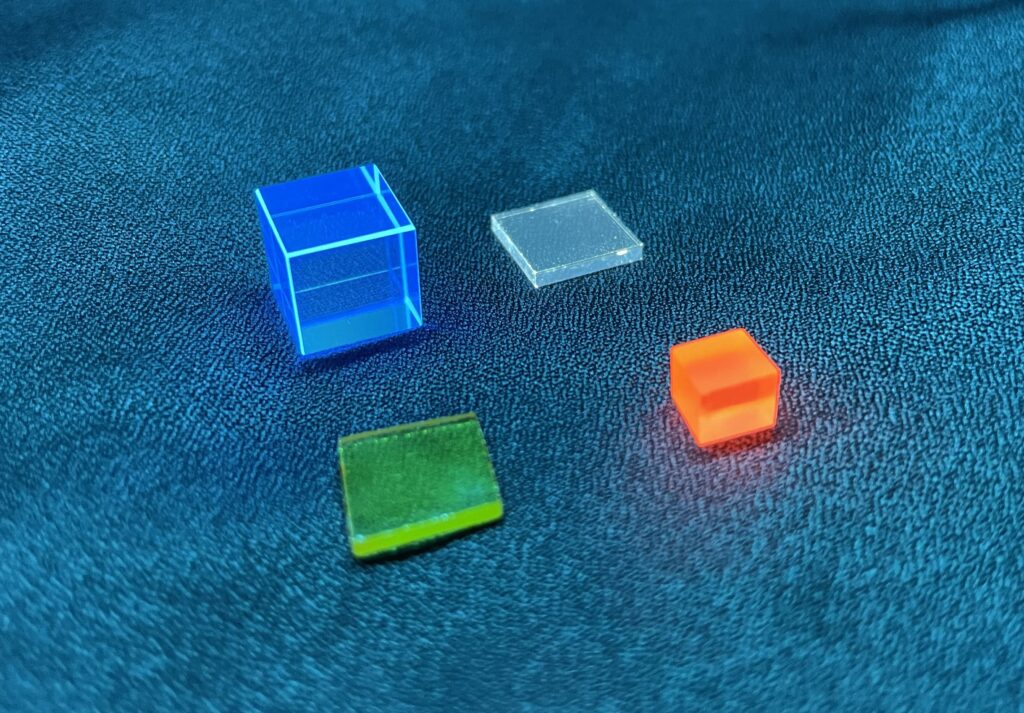
- Research and development of mechanical-free liquid crystal lenses for industrial applications
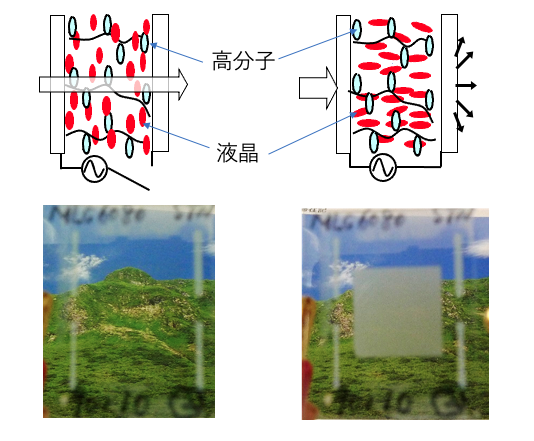
- Novel display technologies based on liquid crystal-polymer interfaces
- Research on luminescent materials
- Development of millimeter-wave and submillimeter-wave circuit components using solid-state plasma (semiconductors)
4. Medical Electronics
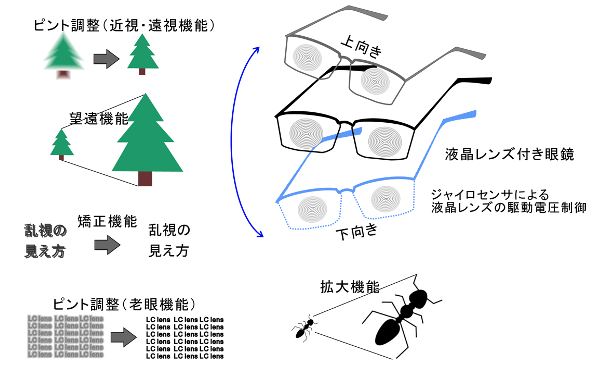
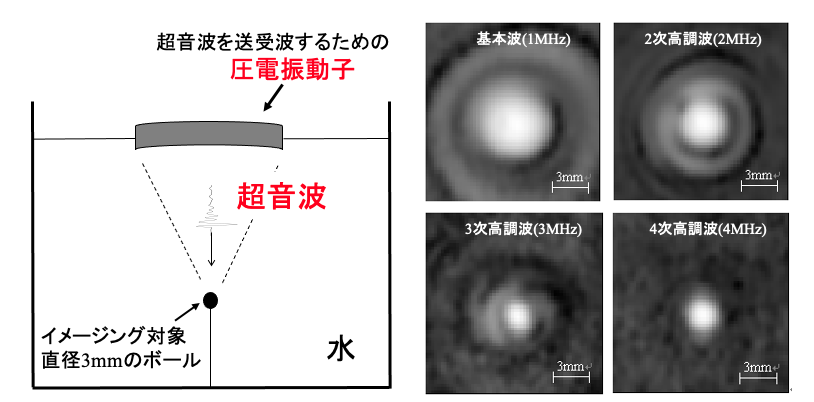
Our research includes applying magnetic nanoparticles for cancer treatment through non-invasive heating (magnetic fluid hyperthermia), developing smart glasses using mechanical-free liquid crystal lenses, and advancing ultrasound diagnostic technologies.
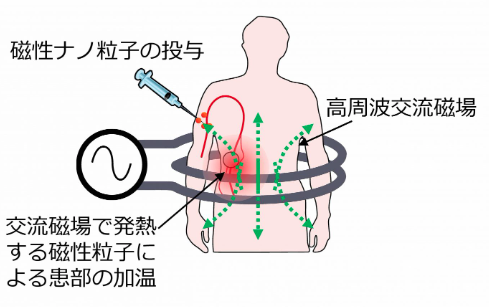
- Medical applications of magnetic nanoparticle materials
- Research and development of mechanical-free liquid crystal lens technology
- Measurement of nonlinear ultrasound and its applications in non-destructive testing
Research Introductions by Prof. Satoshi Yoshimura
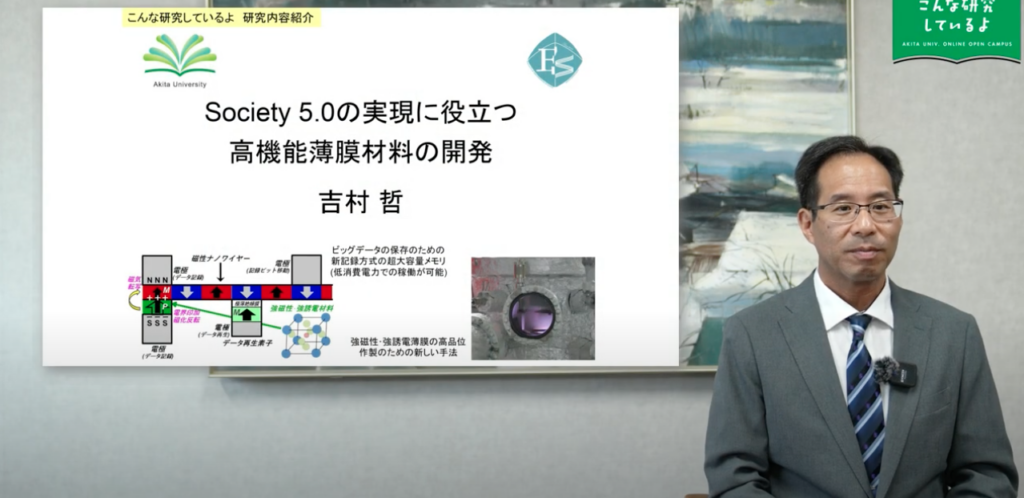
Please click below for the full interview.
(Link)
Researcher Interview
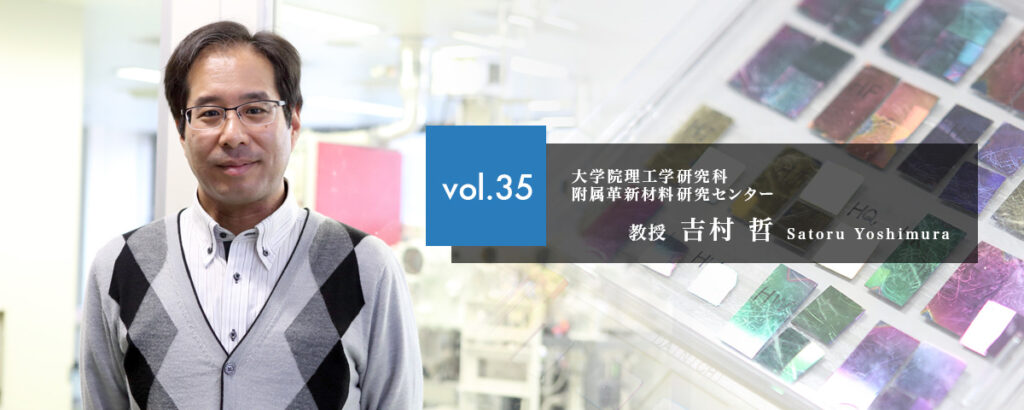
New High-Performance Magnetic Devices Realized with Thin Films Combining Ferromagnetism and Ferroelectricity (Prof. Satoru Yoshimura)
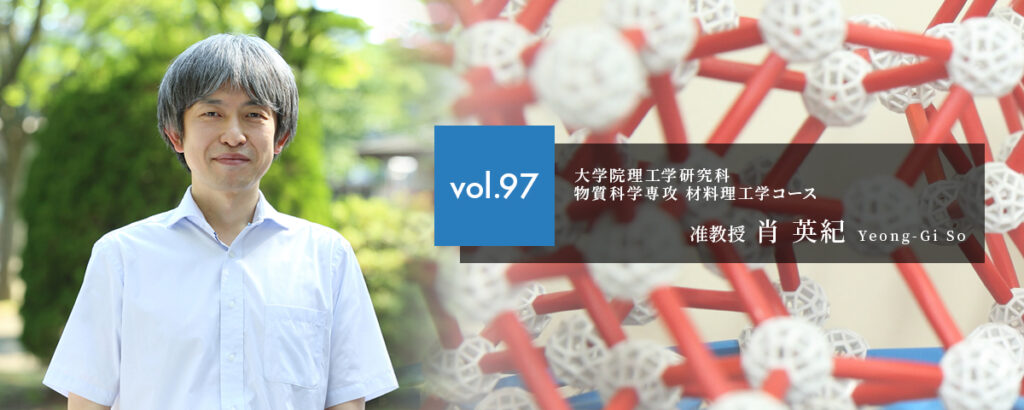
Exploring New Metallic Materials by Identifying Systematic Rules (Assoc. Prof. Yeong-Gi So)
Our Faculty Featured on “Yume Navi”
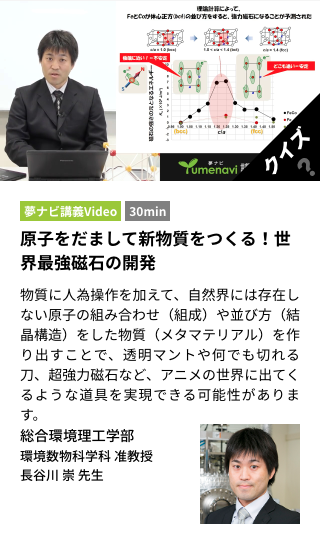
Yume Navi Mini Lecture: “Tricking Atoms to Create New Substances! Developing the World’s Strongest Magnet” (Assoc. Prof. Takashi Hasegawa)
Electronics Course Introduction

A student-led introduction to the course, please click below.
(Link to student introduction)
Education and Research in Electronics
Mini Lecture by Lecturer Ai Hosoki: “Optical Fiber Sensors Supporting IoT”

Please click below for the full lecture.
(Link)
Researcher Interview

The Evolving Liquid Crystal Display (Prof. Rumiko Yamaguchi)