
Education
- Areas of study in the Mathematical Sciences and Global Environmental Studies Course
- What are Mathematical Sciences?
- Overview of the Functional Device Physics Course
- Educational Content of the Functional Device Physics Course
- Educational Program Features
- Mathematics, Data Science, and AI Education
If you want to study mathematics, physics, earth science, data science, or AI…
Areas of study in the Mathematical Sciences and Global Environmental Studies Course
Students will learn about the three natural science fields of mathematics, theoretical physics, and earth science.
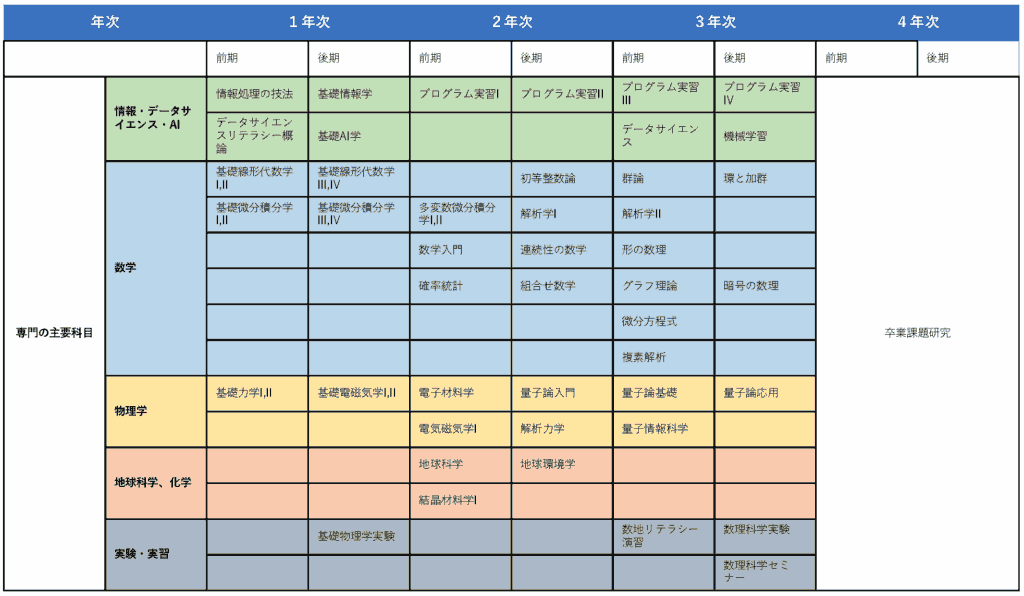
In mathematics, students learn equations, functions, geometry and spatial theory, as well as probability and statistics—the foundations of data science and AI.
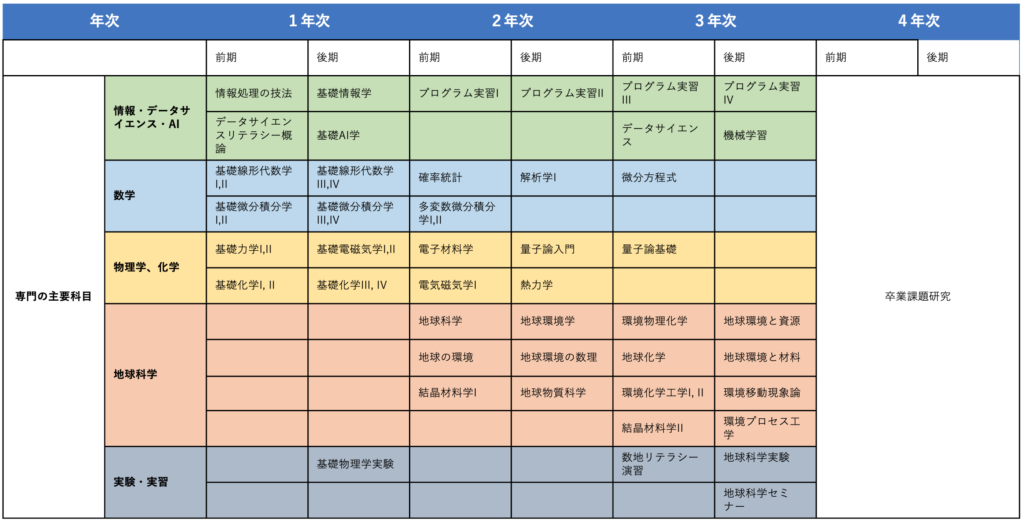
In physics, they study quantum science. In earth science, they learn about the mechanisms and materials that make up the Earth’s environment.
The course aims to train data scientists and engineers who can contribute to solving environmental issues.
We welcome students who are interested in any of mathematics, physics, or earth science and who wish to contribute to global and regional development as researchers or engineers.
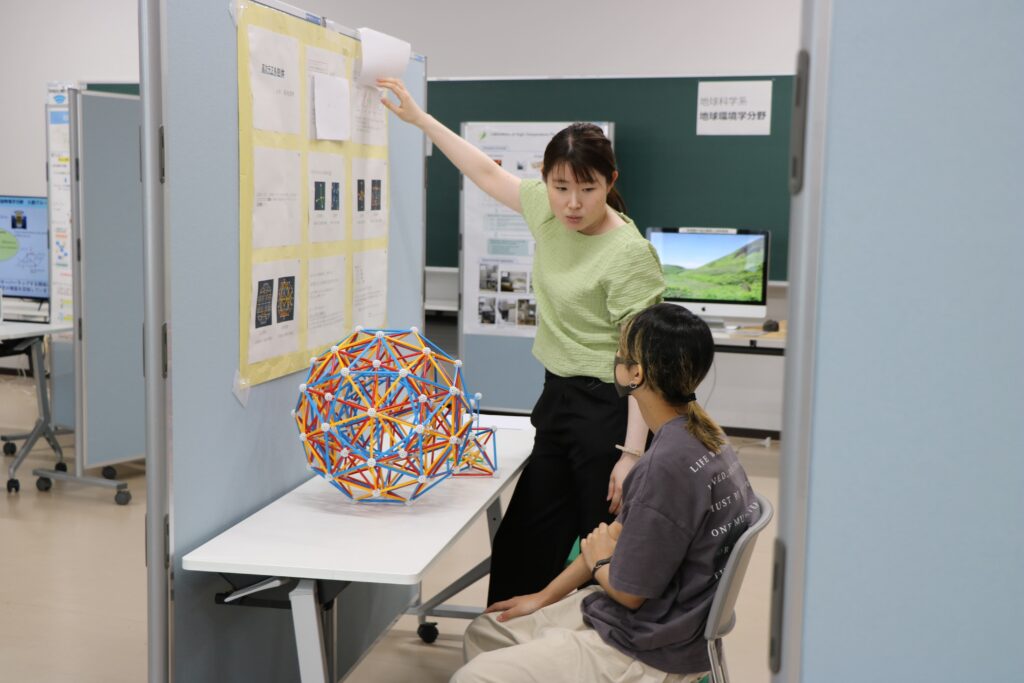
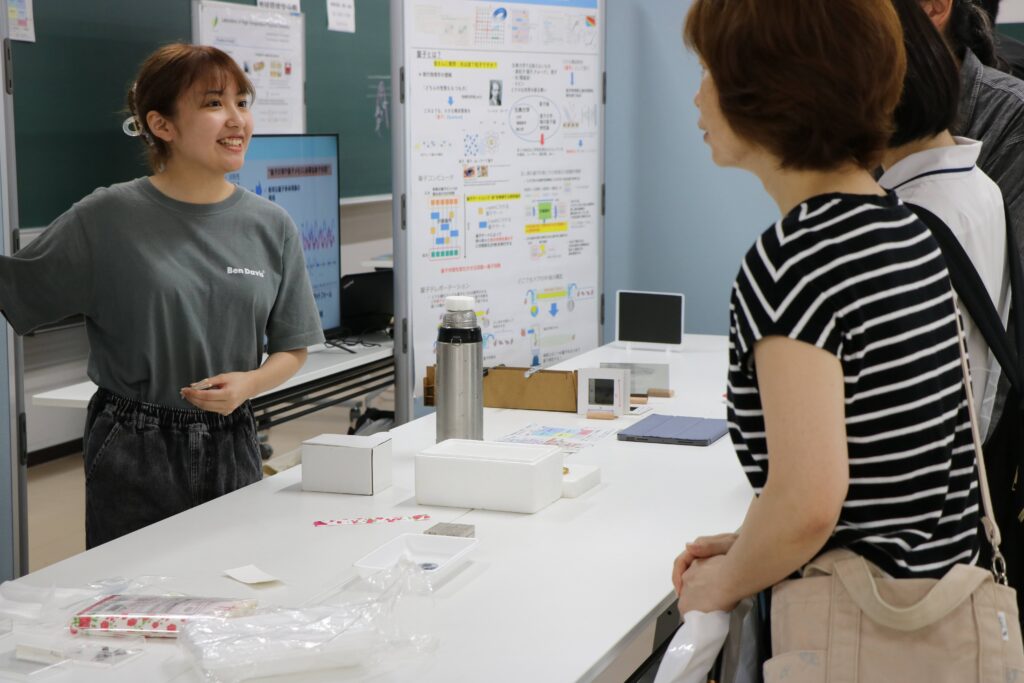
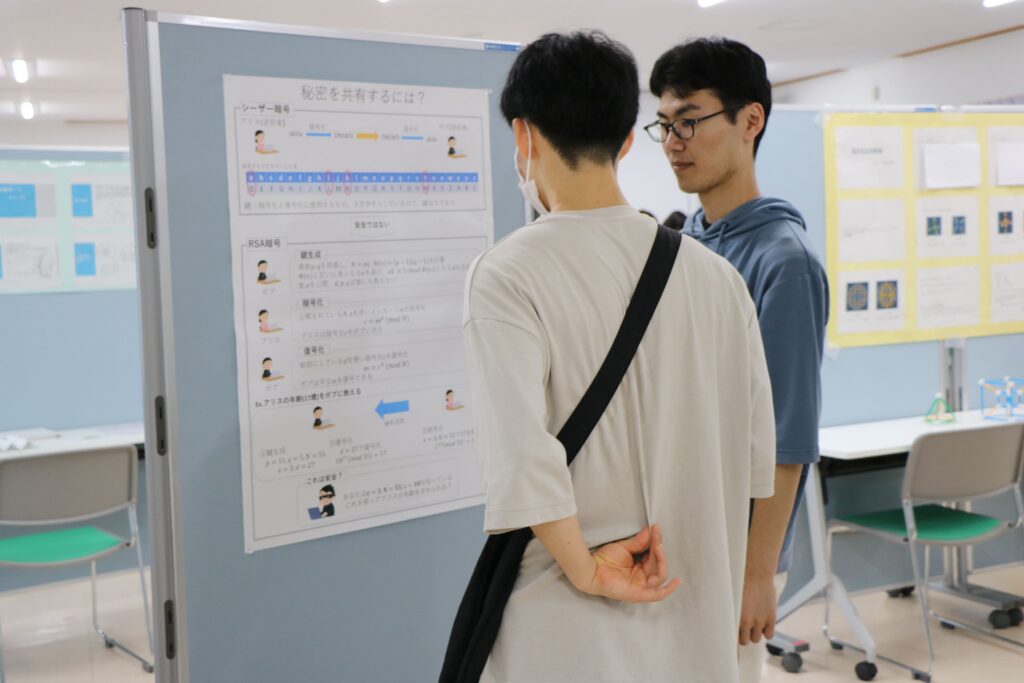
What are Mathematical Sciences?
Mathematical science is defined as “a field of study related to mathematics, broadly divided into three areas: mathematics, statistics, and applied mathematics, as well as the boundaries with other fields such as the history of mathematics and education.” In addition to the major fields of mathematics (algebra, geometry, and analysis), it also includes discrete mathematics, theoretical physics, and computer science, forming a new academic discipline. Pythagoras is said to have believed that “everything is a number,” and mathematics can express a wide variety of phenomena. Artificial intelligence (AI), data science, and quantum computing, which have recently attracted attention, are also closely related to mathematical science. It also serves as the theoretical foundation for data-driven science methods in fields such as earth science.
Mathematical Science Course Model
Earth Science Course Model
Near-future technologies made possible by the fusion of materials and electronics — Magnetism, Light, Electrons, Waves — All crystallize into functionality
Overview of the Functional Device Physics Course
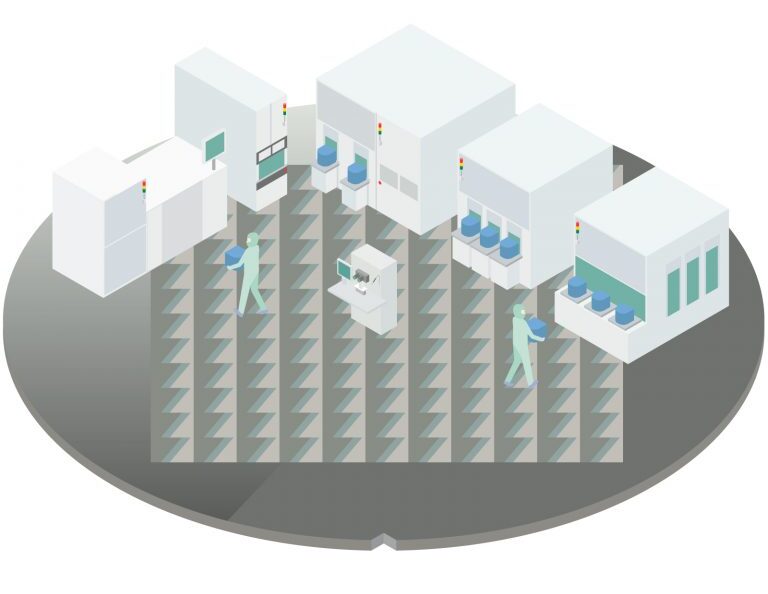
To advance an IoT society, utilize new energy sources such as hydrogen, and develop new medical technologies, it is indispensable to study materials that support high-performance information devices, highly sensitive gas-detection sensors, and advanced medical instruments.
These technologies rely on materials such as metals, semiconductors, magnetic materials, and dielectrics to control the motion of electrons, and diverse optical materials such as luminescent materials and liquid crystals to control light.
In addition, designing electronic devices that achieve specific functions requires understanding and applying the principles and laws of physics.
This course consists of four fields that study materials and electronic devices based on fundamental physical laws: magnetism, electricity, waves (light), and atoms. Students learn the basic properties and uses of materials, explore new materials to realize novel functions, design electronic devices based on methods for controlling electrons and light, and develop techniques for evaluating these materials and devices. By fusing materials and electronics, we create new value and contribute to a sustainable society.
This course is ideal for students interested in materials and devices that will support the technologies of the future.
Learning and Development
By acquiring not only knowledge of materials and physical mechanisms but also programming skills, students gain expertise in both hardware and software.
Through collaboration with the Mathematical Sciences and Global Environmental Studies Course, they also acquire knowledge in data science, AI, and theoretical physics—preparing them to become individuals who will lead the near-future society.
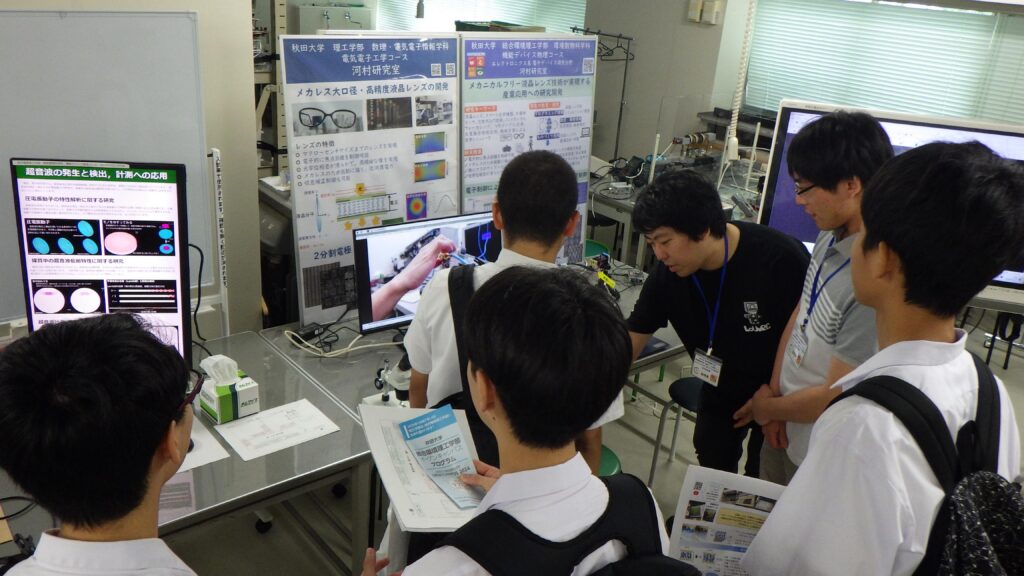
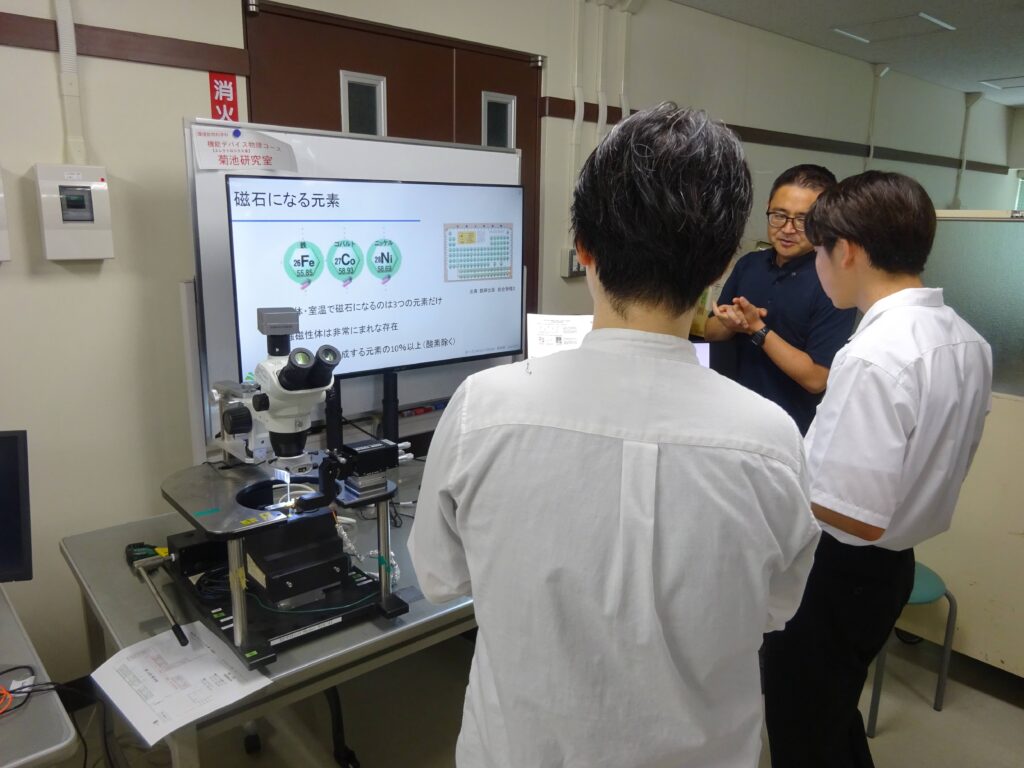

Educational Content of the Functional Device Physics Course
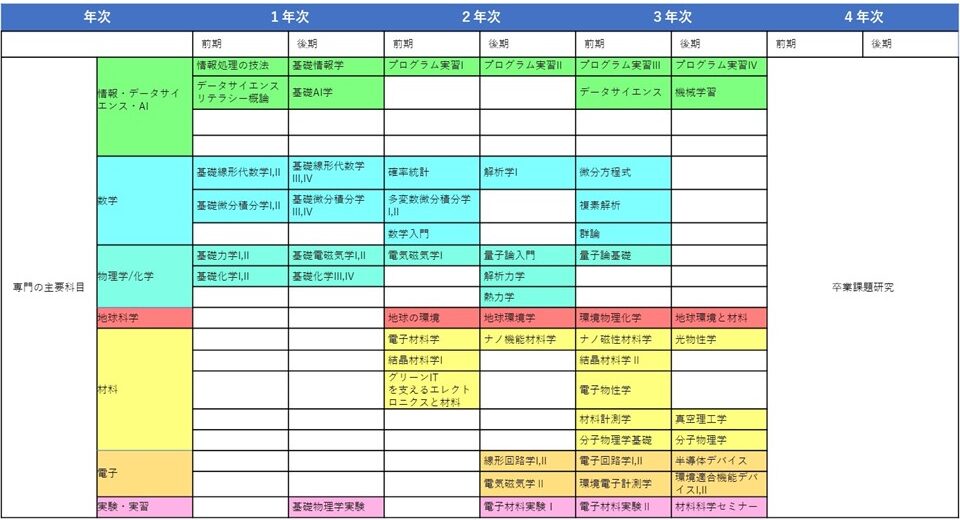
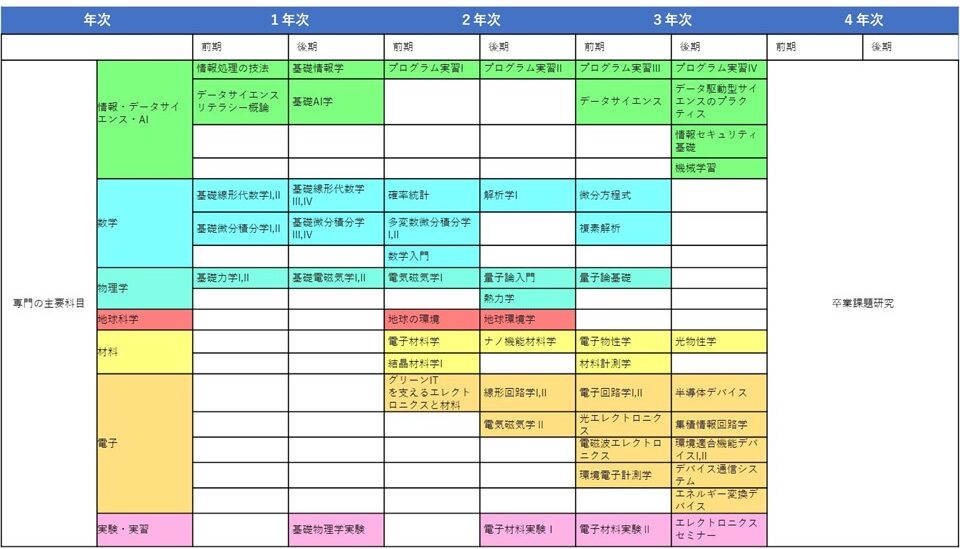
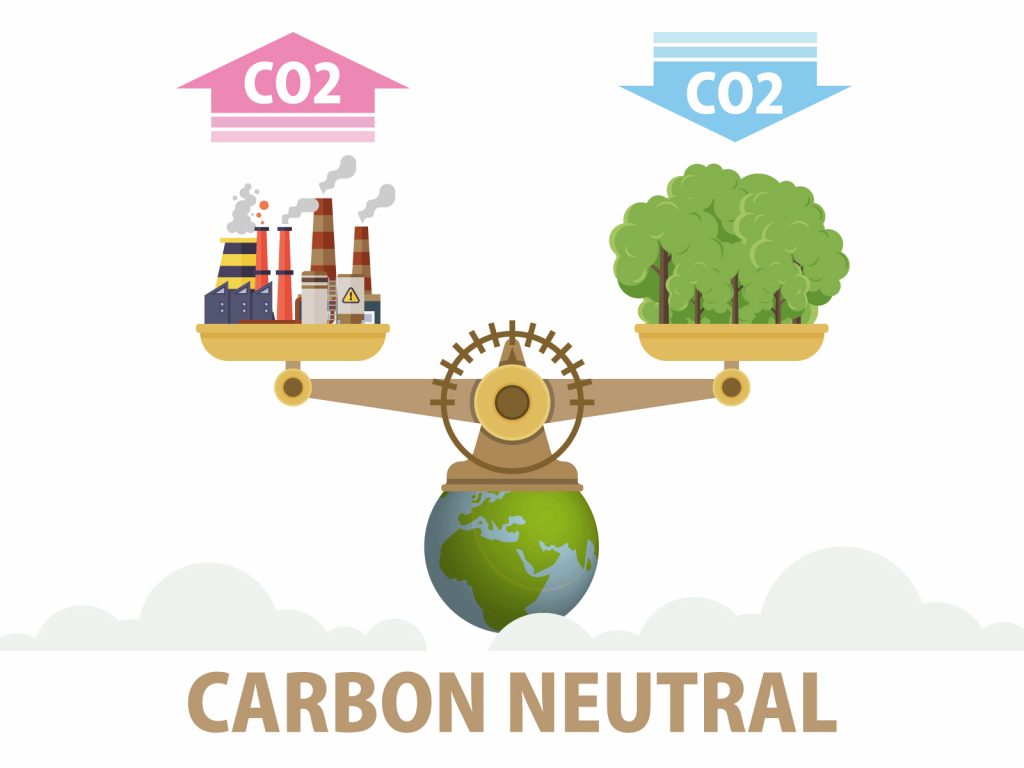
The course name reflects its educational and research mission: to create technologies that add new functions to optics, magnetic materials, and semiconductors based on physics—electricity, magnetism, waves, and atoms. This is made possible by the fusion of materials and electronics, a field indispensable for realizing the sustainable society of the future. Furthermore, students gain knowledge in data science, AI, and programming, becoming individuals capable of combining hardware and software and leading the technological development of the near-future society.
Materials Science Course Model
Electronics Course Model
Educational Program Features

Mathematics, Data Science, and AI Education
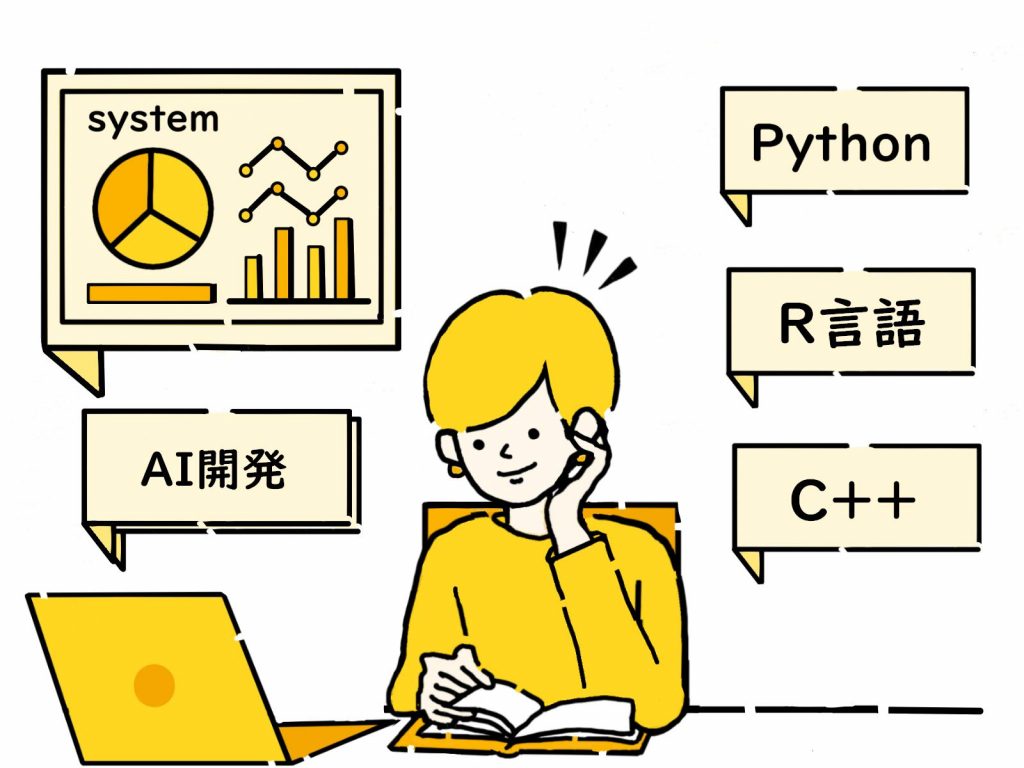
We are promoting education that meets the needs of society by strengthening data science and AI education. Students will acquire the theoretical foundations of data science and AI, and the basic skills required for real-life implementation of electronics and material science through the fusion of hardware and software. We are certified by the Ministry of Education, Culture, Sports, Science and Technology’s ” Mathematics, Data Science and AI Education Program Certification System .“
Regional DX Promotion Program (Literacy)
We aim to develop human resources who have the ability to utilize mathematics, data science, and AI education.
Data-Driven Science Promotion Program (Applied Fundamentals)
The idea that “expertise in science and engineering + data science = innovation” is gaining popularity and is increasingly being demanded by society. In response to this, we will be launching the “Data-Driven Science Promotion Program,” which is a further development of the already available “Akita University Regional DX Promotion Program” (literacy level).