Four Distinct Research Fields
The Mathematical Science & Global Environmental Studies Course features four distinctive educational and research themes.
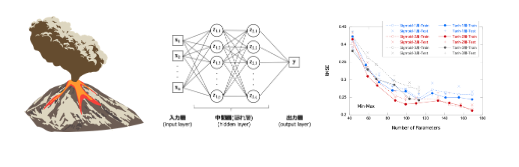
Our goal is to apply data science, AI, and computer science across the three major natural science disciplines—mathematics, theoretical physics, and earth science.
1. Discrete Mathematics
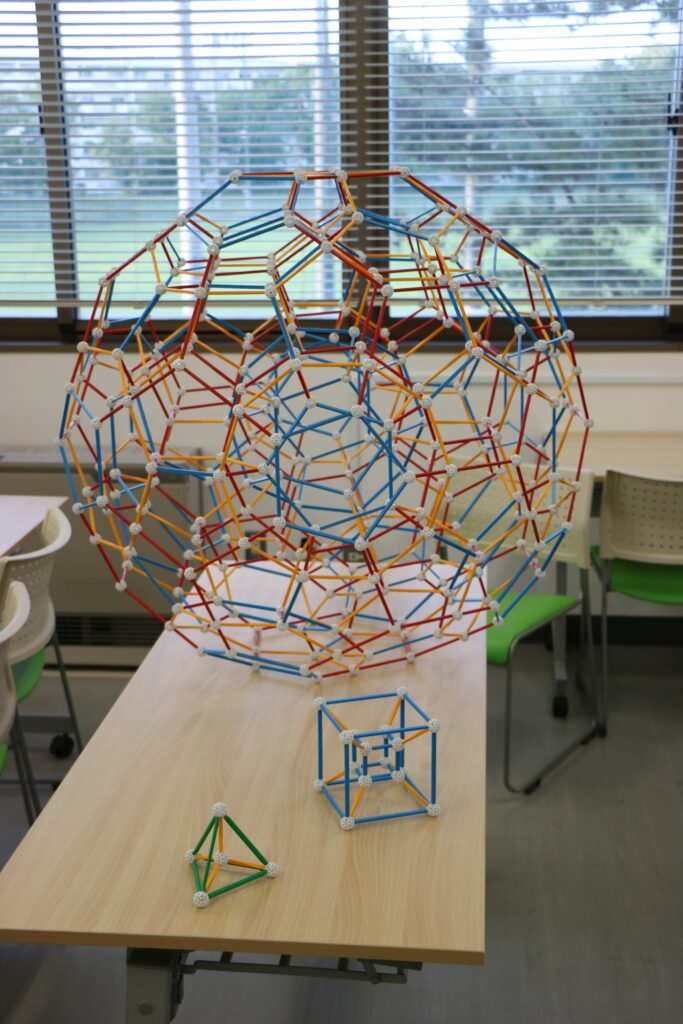
We study algebraic structures developed from solving equations, as well as discrete mathematics, which forms the foundations of data science, AI, and network science. These areas constitute essential fundamentals of computer science.
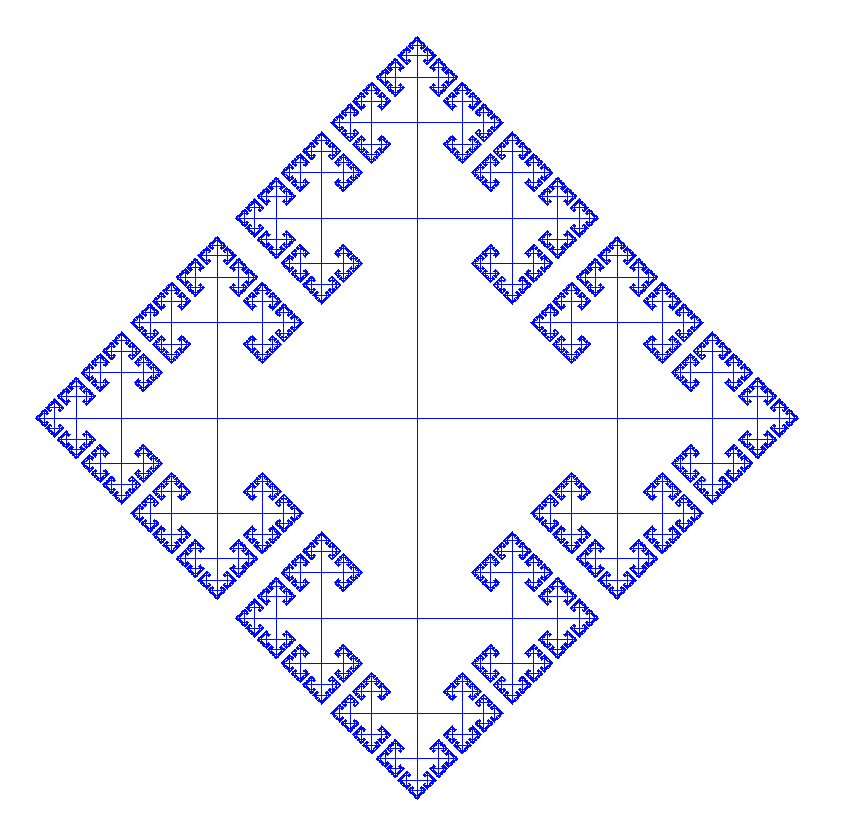
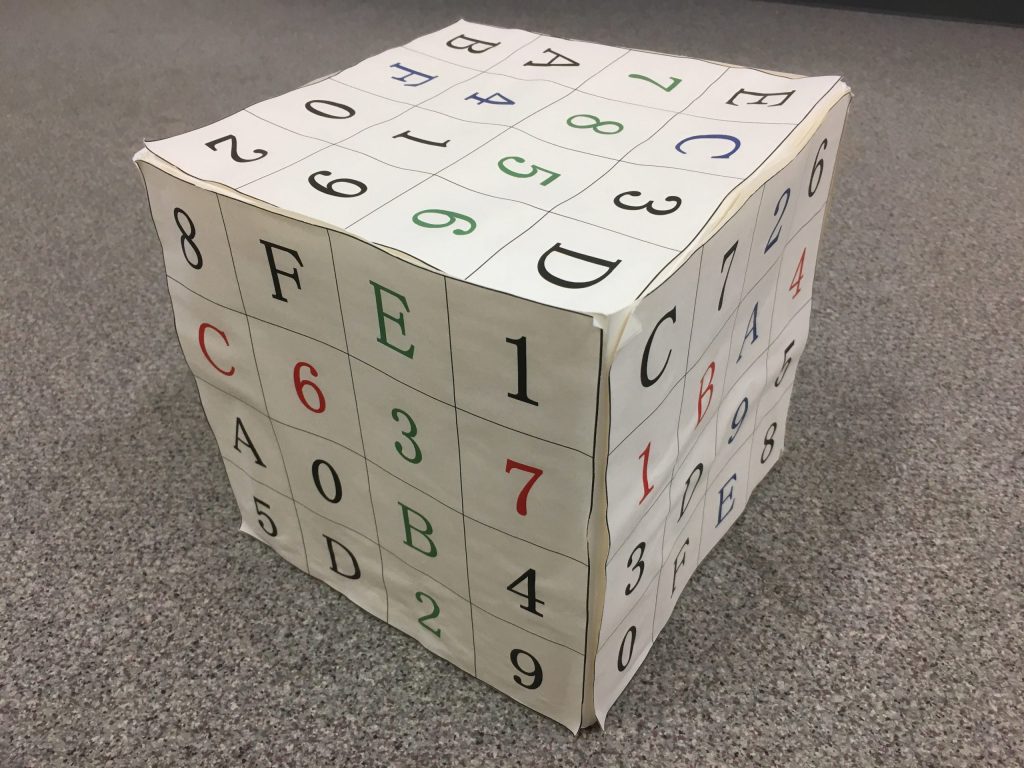
2. Continuous Mathematics
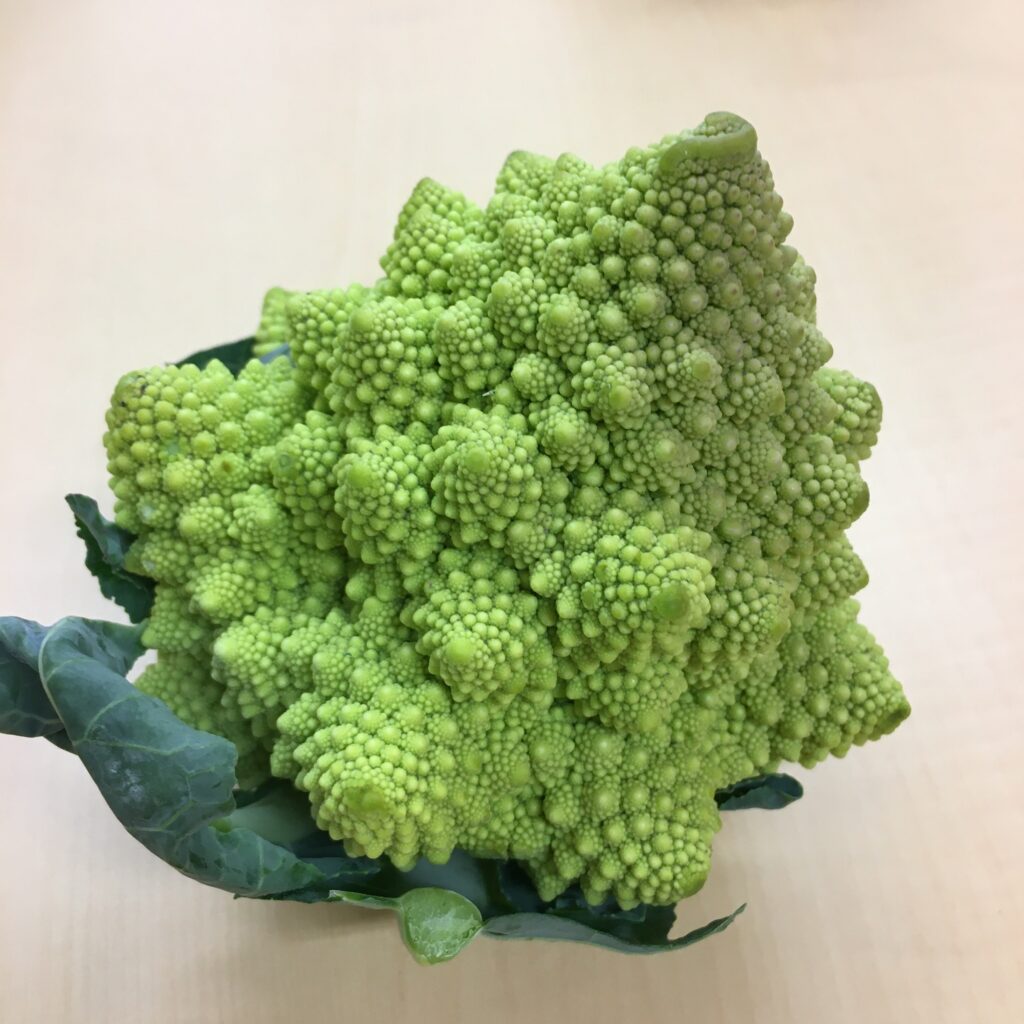
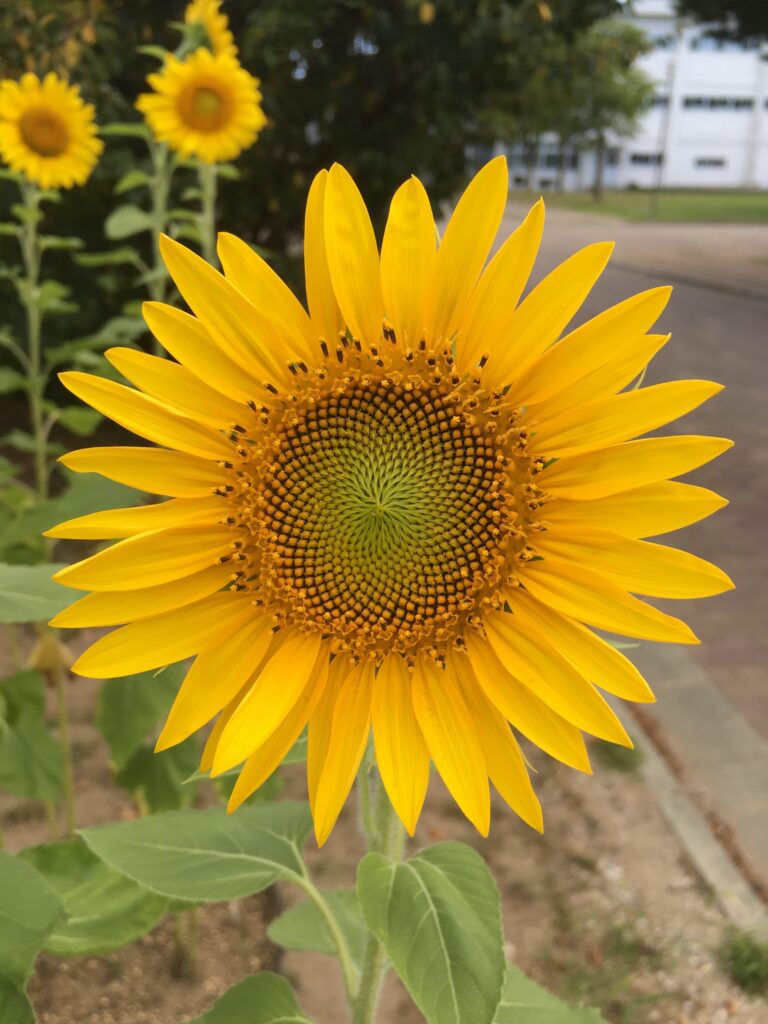
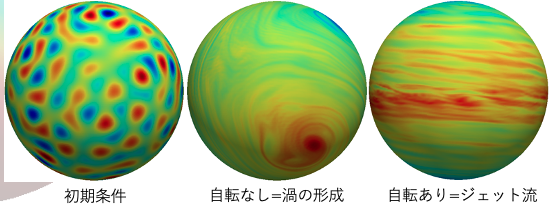
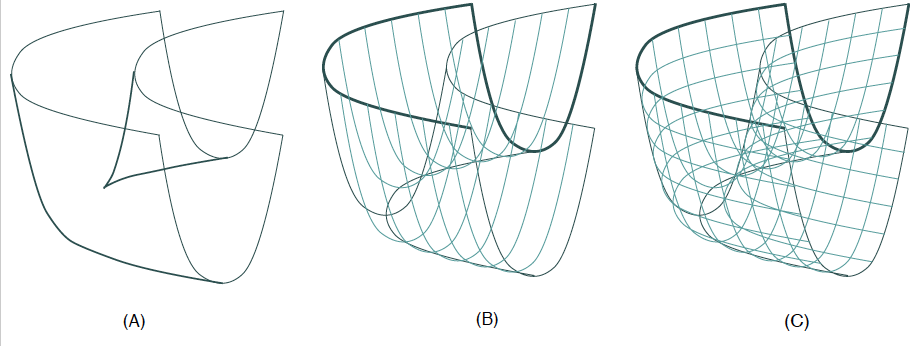
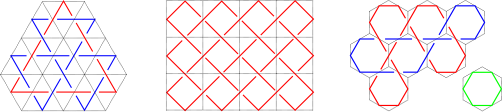
Concepts in analysis—such as differential equations, Fourier analysis, complex analysis, and probability theory—are widely used for modeling natural phenomena. We also conduct research in geometry, which captures shapes and notions of closeness.
3. Theoretical Physics
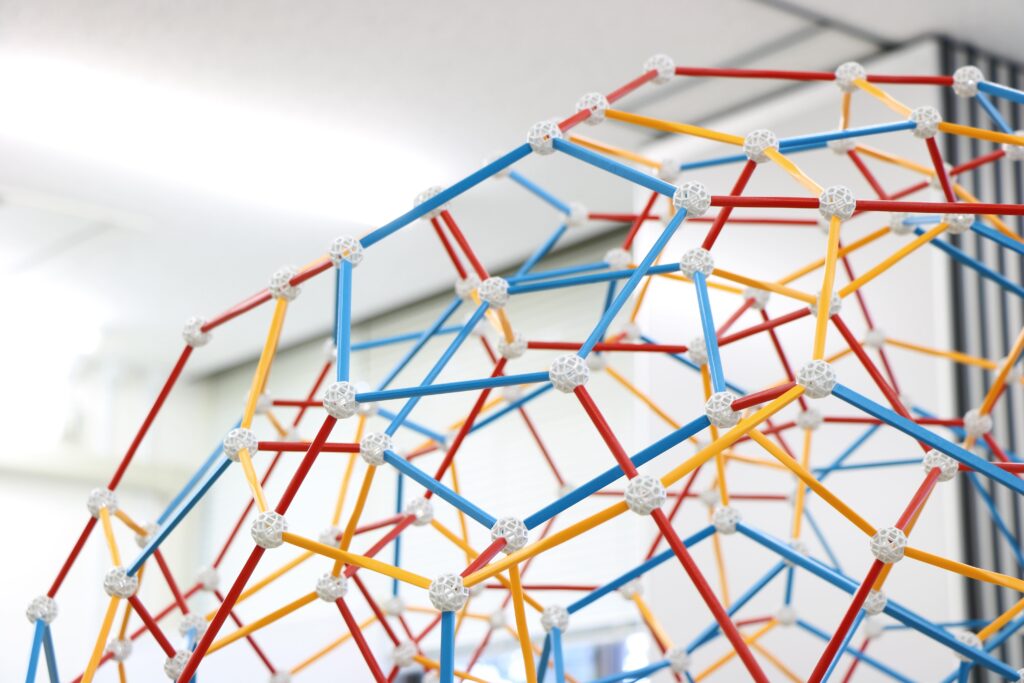
Elementary particles such as quarks, electrons, and photons possess mysterious properties that cannot be explained by classical mechanics.
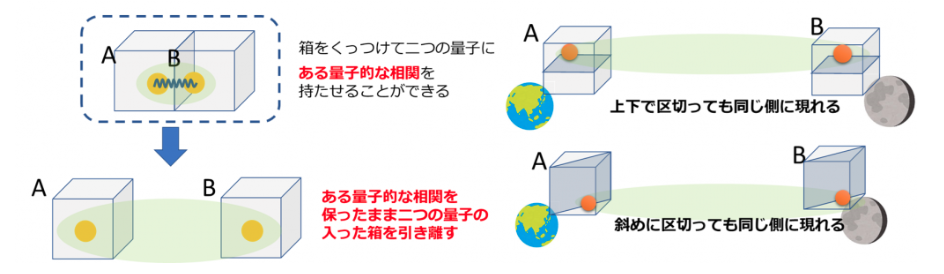
Quantum science holds the potential to drive revolutionary innovations—including quantum computers, quantum cryptography, and quantum teleportation.

4. Earth Environmental Science
Earth science is an interdisciplinary field that seeks to understand all past, present, and future phenomena of our planet.
We analyze geophysical survey data, chemical analyses, image data, and more to uncover the physical and chemical processes underlying natural phenomena.


Introduction to the Mathematical Science Course

For a student-led introduction to the course, please click below.
(Link to student introduction)
Introduction to Research Laboratories
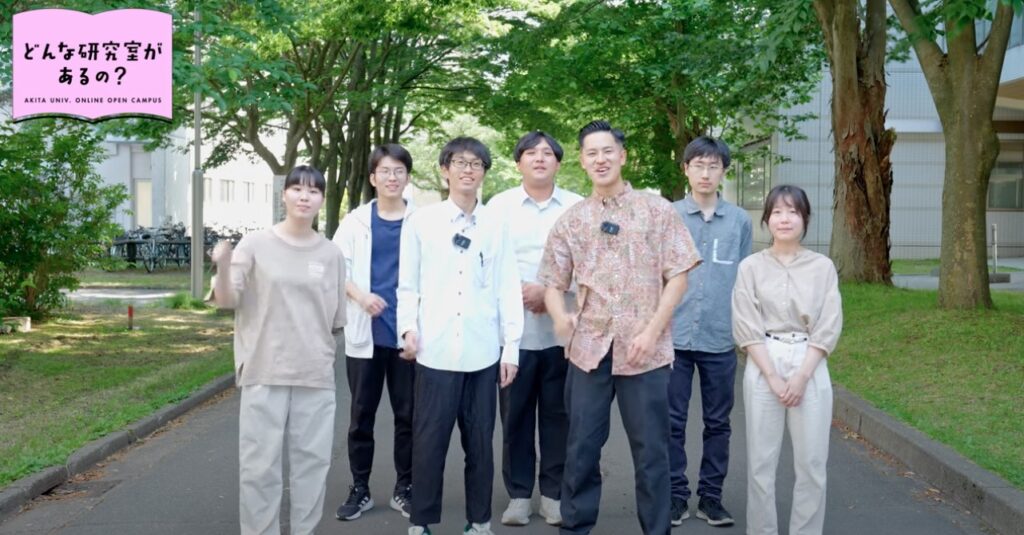
Student-produced introductions to our laboratories can be viewed here.
(Link to lab introduction videos/pages)
Researcher Interview

Proposing What Cannot Be Done Using Algebra — Proofs of Impossibility”
Interview with Prof. Akihiro Yamamura
Mini Lecture by Assoc. Prof. Fazekas Szilárd Zsolt: “Graph Theory”
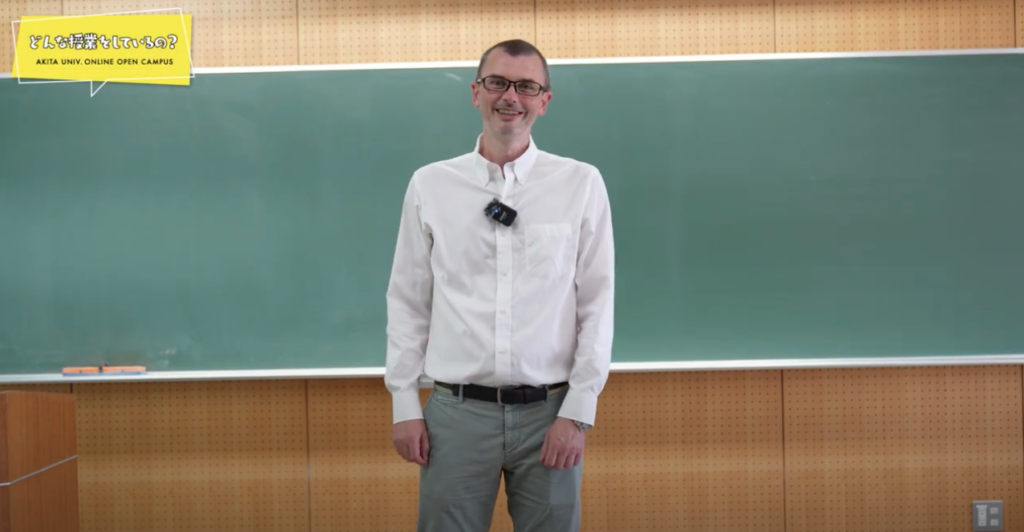
Please click below for the full interviews.
(Link)